Home Interior Styling in Dubai: The Beginner’s Handbook
Tackling your first Dubai home is exciting and a little daunting in equal measure. Whether it’s a small Dubai Marina apartment or a sprawling Palm Jumeirah villa that you have just taken over, the choices before you are numerous. The encouraging part is that interior design becomes far less intimidating as soon as you split it into a logical set of steps. This introductory guide leads you through the whole journey, from early concepts to final styling, using the way projects actually run in the UAE in 2026. Throughout you will discover down-to-earth budget ranges, practical timelines, and the essential local approvals. By the end you should be confident enough to design a home that looks beautiful and works for daily life in the Emirates.
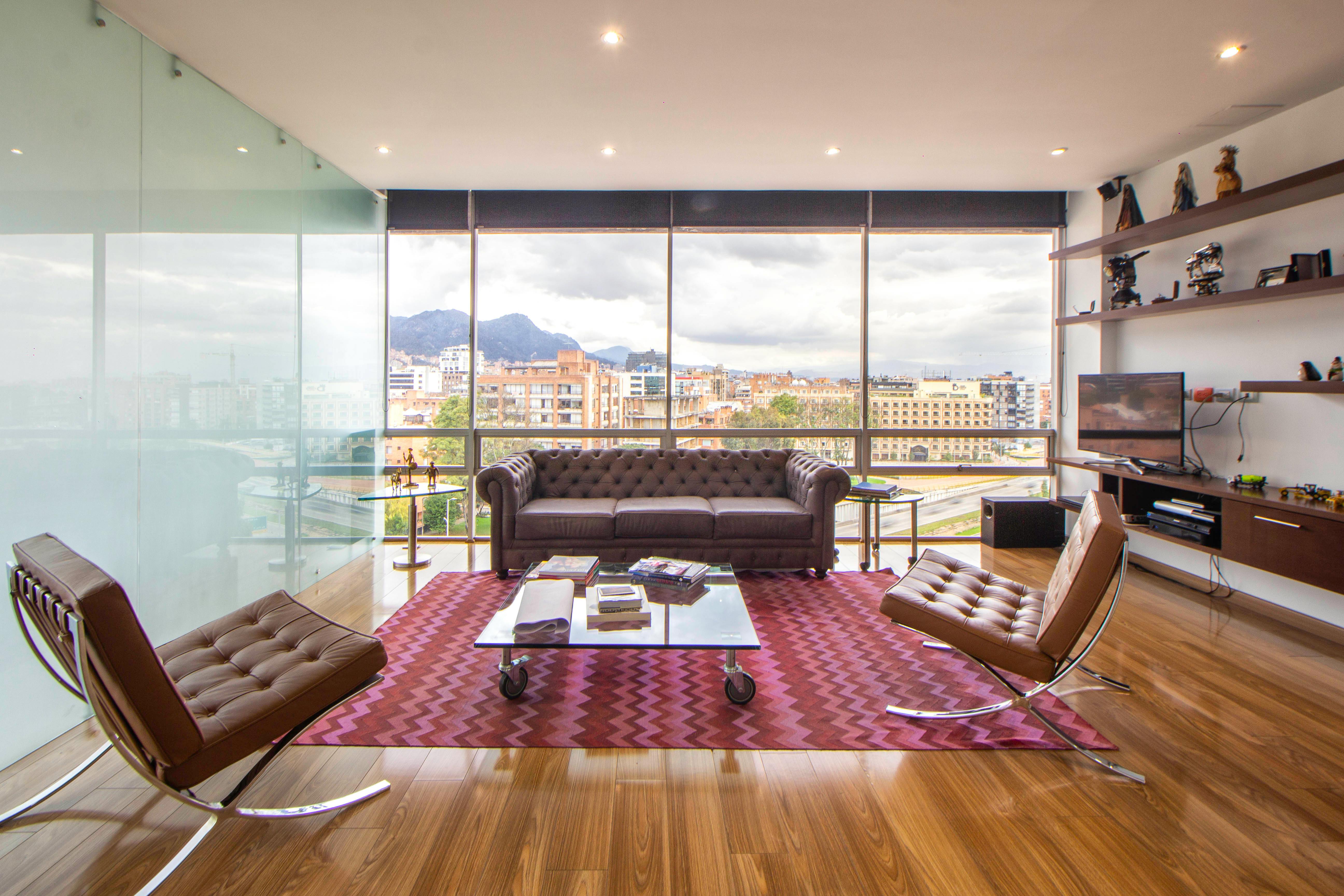
Why Home Design in Dubai Stands Apart
Home design in Dubai is not like decorating in a cooler, temperate city, and catching the differences early saves money and frustration. Because summers routinely pass 45 degrees Celsius, materials, fabrics, and finishes must endure the heat, harsh sun, and fine dust. Humidity near the coast in areas such as Dubai Marina or Jumeirah can affect timber, so designers often turn to engineered wood, porcelain, and treated surfaces. Many residents rent rather than own, which means certain projects centre on removable, damage-free upgrades rather than structural change. In most buildings, a No Objection Certificate from the owner or management must be secured before any fit-out work starts. Handover finishes from developers range widely too, meaning one apartment arrives fully tiled while another is a bare shell. Holding these local realities in mind from the start steers every later decision.
The Process, Step by Step
The most reliable way to approach a home project is to treat it https://www.interior-designers.ae/services/landscape-design/ as a run of stages rather than one enormous task. Professional studios across Dubai follow a broadly similar roadmap, and you can apply the same thinking even on a modest budget. The ten steps below run from understanding your lifestyle to the final day of styling and handover. Each stage builds on the one before, so resist the temptation to jump ahead to shopping for furniture. Taking the early planning steps seriously is what divides a calm project from a stressful one. Skim the entire list once before you begin to see where the journey leads.
- Understand how you live: record your daily habits, who uses each room, and what annoys you about your current home.
- Fix a realistic budget and set aside roughly 10 to 15 percent as a contingency for the unexpected.
- Collect visual references, storing pictures that speak to you and noting recurring colour, texture, and mood.
- Measure it all, because accurate room sizes, ceiling heights, and socket locations save you from pricey mistakes later.
- Choose a style direction that works for your taste as well as the building’s architecture.
- Work out the layout, arranging furniture zones for flow, natural light, and the way air conditioning reaches each seat.
- Select materials and finishes that cope with Dubai heat, humidity, and regular cleaning.
- Secure approvals, obtaining the building NOC and any fit-out permit before contractors lift a single tool.
- Carry out the work, scheduling trades, placing long-lead orders early, and reviewing progress at set intervals.
- Style and snag, adding lighting, textiles, and accessories, then listing any defects for the team to correct.
Fixing a Realistic Budget
Budget is the single question that shapes everything else, so it deserves honest attention before you fall in love with a look. On 2026 figures, a basic apartment refresh in Dubai commonly falls between AED 200,000 and AED 340,000, while a mid-range job comes closer to AED 400,000 to AED 750,000. Turnkey interior and fit-out work is often priced per square foot, with standard residential rates around AED 75 to AED 250 and mid-tier schemes near AED 200 to AED 400. Luxury villas and penthouses can rise well beyond AED 600 to AED 1,200 per square foot once bespoke joinery and imported stone enter the picture. Firms typically charge design-only fees at around 10 to 20 percent of the project budget, or by the square foot. Keep in mind that these numbers are market ranges, not fixed quotes, so use them for planning. The table below summarises typical 2026 estimates to help you frame your own numbers.
| Type of home | Scope | Estimated total, 2026 (AED) | Typical duration |
|---|---|---|---|
| 1-2 bed apartment | Budget update | 200,000 – 340,000 | 6 – 8 weeks |
| 2-3 bed apartment | Mid-range fit-out | 400,000 – 750,000 | 8 – 10 weeks |
| 3-4 bed villa | Complete renovation | 250,000 – 600,000 | 10 – 14 weeks |
| Luxury villa | Turnkey bespoke | 600,000 – 2,000,000+ | 20 – 36 weeks |
Understanding the Timeline
Time is easy to underestimate, especially for first-time clients who expect a home to come together in a fortnight. In reality, a typical Dubai apartment project runs about 6 to 10 weeks from first works to handover, provided decisions come quickly. A villa usually needs 10 to 14 weeks, and large luxury homes can stretch to between 20 and 36 weeks when bespoke elements are involved. Within that period, the concept phase often takes 2 to 4 weeks, detailed design a further 4 to 8 weeks, and permits or NOC approvals another 2 to 6 weeks. On-site execution typically lasts 4 to 8 weeks, then a brief snagging window of 1 to 2 weeks. Delays usually stem from slow decisions, imported items held up in shipping, or approvals left to the last minute. Adding a small buffer to your plan keeps the entire process calm.
Approvals and the Rules of Your Building
Approvals are the part beginners most often overlook, yet skipping them can halt a project overnight. Before any fit-out or renovation begins, you generally need a No Objection Certificate from the building owner or management company. Next, you apply for a fit-out permit from the relevant authority, typically Dubai Municipality across most of the city. Some communities and free zones fall under the Dubai Development Authority or Trakhees instead, so confirm which body governs your address. Work affecting fire safety must meet Dubai Civil Defence requirements, and utility changes bring in DEWA. On a rough 2026 basis, standard approvals are commonly cleared within roughly 3 to 10 working days. Factoring these steps into your schedule from day one heads off expensive stop-work surprises.
Rookie Mistakes to Steer Clear Of
A few predictable mistakes trip up almost every first-time client, and awareness alone helps you sidestep them. Most of these errors come from rushing ahead or skipping the planning stages described above. Typically they drain money, waste time, or leave you with a daily compromise you cannot unsee. Reassuringly, each is simple to sidestep once you know what to watch for. Hold the short checklist below close while planning and revisit it ahead of every major decision. A little caution now prevents a great deal of regret later.
- Ordering furniture before the layout is locked in, which leaves you with pieces that will not fit.
- Ignoring lighting until the end, when good schemes plan ambient, task, and accent layers early.
- Skipping the contingency fund, so any surprise becomes a stressful budget crisis.
- Picking delicate finishes that cannot cope with heat, humidity, or frequent cleaning.
- Leaving approvals to the last minute, which can freeze the whole project for days or weeks.
Making Your Dubai Home Come Together
Once a clear sequence sits in front of you, a first Dubai home project becomes a set of manageable decisions rather than a single scary leap. First work out how you genuinely live, and let the budget, layout, and materials fall into place around it. Respect the local realities of climate, approvals, and handover conditions, and you will avoid the traps that catch most beginners. Established studios such as Zen Interiors and Muse Design show how turnkey planning keeps a project coordinated from concept to styling, and the same logic scales down to smaller homes. Leave your contingency untouched, make prompt decisions, and set a realistic timeline that factors in permits. Read every figure here as a 2026 market estimate meant to guide your thinking, not a fixed price. Get those right, and your Dubai home will come together far more calmly than you expected.